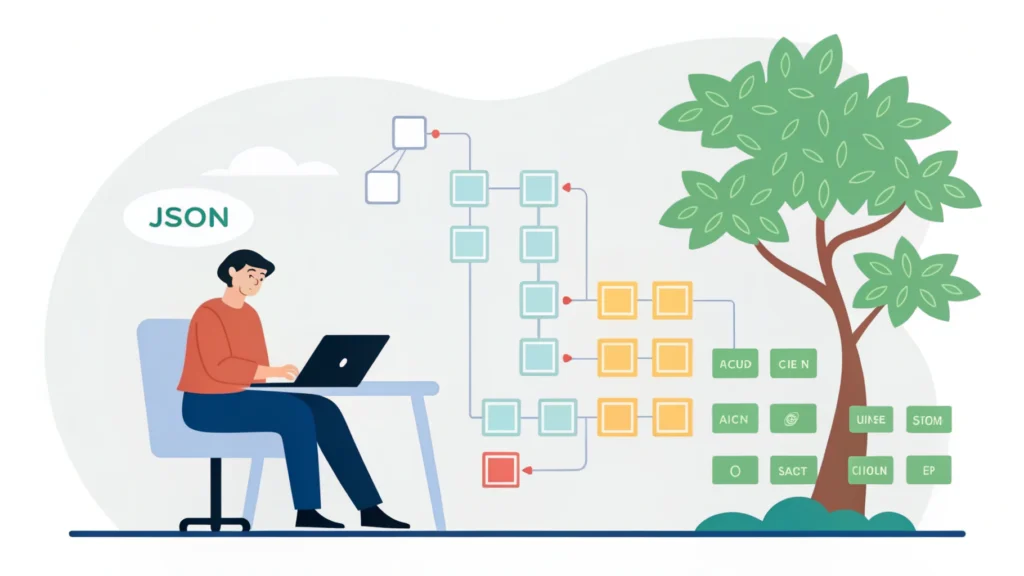
Introduction to Web App Development
In the digital age, web applications have become integral to how businesses operate and interact with customers. Developing web applications involves a blend of creativity and technical skills, enabling developers to create efficient, user-friendly solutions. This guide will walk you through the essential steps and tools needed for successful web app development.
Understanding the Basics
What is a Web App?
A web app is an application software that runs on a web server and can be accessed through a web browser. Unlike traditional desktop applications, web apps do not require installation on a user’s device, making them accessible from any location with internet connectivity.
Key Components of Web App Development
- Front-End Development: This is the visual part of the application that users interact with, typically built using HTML, CSS, and JavaScript.
- Back-End Development: This involves server-side programming that handles the business logic and database interactions, often using languages like Node.js, Python, or Ruby.
- Database Management: Storing and retrieving data efficiently, often using relational databases (like MySQL) or NoSQL databases (like MongoDB).
Step-by-Step Guide to Web App Development
1. Planning and Requirement Analysis
Before diving into development, outline your app’s purpose, target audience, and key features. This phase helps in defining your project scope and ensures you stay aligned with user needs.
2. Choose the Right Technology Stack
Selecting the right technology is crucial. Here’s a commonly used stack:
- Front-End: HTML, CSS, JavaScript (with frameworks like React or Angular)
- Back-End: Node.js, Express, or Django
- Database: MongoDB or PostgreSQL
3. Design the User Interface
Create wireframes and mockups for your application. Tools like Figma or Adobe XD can help visualize the layout. Focus on a responsive design to ensure it works well on various devices.
4. Development Phase
Start coding your application by developing the front-end and back-end concurrently. Here’s a simple code snippet for a Node.js server:
const express = require('express');
const app = express();

app.get('/', (req, res) => {
    res.send('Hello World!');
});

app.listen(3000, () => {
    console.log('Server is running on http://localhost:3000');
});
5. Testing
Testing is crucial to ensure your application is bug-free. Conduct unit tests, integration tests, and user acceptance testing (UAT). You can use tools like Jest for JavaScript testing.
6. Deployment
Deploy your application on platforms such as Heroku, AWS, or DigitalOcean. Ensure you have a CI/CD pipeline for smooth updates and maintenance.
7. Maintenance and Updates
Post-launch, monitor the application for issues and collect user feedback for improvements. Regular updates and maintenance are vital for long-term success.
Useful Tools for Web App Development
Here are some essential tools that can enhance your web app development process:
- Button Generator – Quickly create buttons for your web app.
- CSS Minifier – Optimize your CSS files for faster loading.
- JS Minifier – Reduce the size of your JavaScript files.
- Meta Tag Generator – Easily create SEO-friendly meta tags.
FAQs
What programming languages are used for web app development?
Common languages include HTML, CSS, JavaScript for front-end; and Node.js, Python, Ruby for back-end.
How long does it take to develop a web app?
The timeline varies based on complexity, features, and team size. Simple apps can take a few weeks, while complex ones may take several months.
Can I build a web app without coding?
Yes, there are no-code platforms like Bubble and Webflow that allow you to create web apps without extensive coding knowledge.
Conclusion
Web app development is a multifaceted process that requires careful planning, the right tools, and ongoing maintenance. Whether you’re a beginner or an experienced developer, understanding the entire lifecycle from planning to deployment is critical to creating successful web applications. Explore our WebToolsLab for more resources and tools to assist in your development journey.