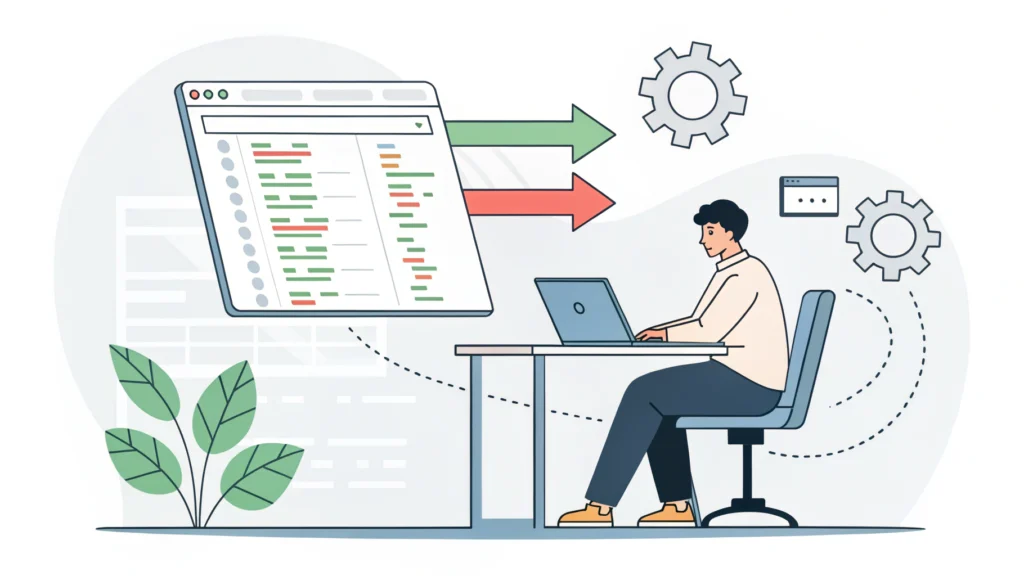
Introduction to Web App Development
Web app development is a crucial aspect of creating modern web applications that are interactive, responsive, and user-friendly. This guide will explore the essential components of web app development, including front-end and back-end technologies, tools, and best practices.
Understanding Web Applications
A web application is a software application that operates on a web server instead of being installed on the user’s device. Users can access web apps through their web browsers, making them platform-independent.
Step-by-Step Guide to Web App Development
Step 1: Define Your Project Requirements
Before starting development, outline what your web application aims to achieve. Consider its features, target audience, and user experience.
Step 2: Choose Your Technology Stack
Decide on the technology stack you will use. A typical web app stack includes:
- Front-end: HTML, CSS, JavaScript
- Back-end: Node.js, Python, Ruby, PHP
- Database: MySQL, MongoDB, PostgreSQL
Step 3: Design Your Application
Create wireframes and prototypes to visualize your app’s layout and user flow. Tools like wireframing software can help you design your UI/UX effectively.
Step 4: Develop the Front-end
Use HTML, CSS, and JavaScript to build the user interface of your web app. Frameworks like React or Angular can enhance your front-end development. Here’s a simple example of creating a button using HTML:
<button>Click Me</button>Step 5: Set Up the Back-end
Develop the server-side of your application. This includes setting up your server, handling requests, and connecting to the database. Here’s a basic Express.js server setup:
const express = require('express');
const app = express();

app.get('/', (req, res) => {
  res.send('Hello World!');
});

app.listen(3000, () => {
  console.log('Server is running on port 3000');
});
Step 6: Implement Database Management
Choose a database that suits your application needs. Use an ORM (Object-Relational Mapping) tool like Sequelize for easier database interaction.
Step 7: Test Your Application
Conduct thorough testing to identify any bugs or issues. Utilize tools like JSON Formatter to ensure your data handling is correct.
Step 8: Deploy Your Web App
Choose a hosting platform like Heroku, AWS, or DigitalOcean to deploy your application. Ensure you configure the server settings and environment variables correctly.
Best Practices for Web App Development
- Keep your code organized and modular.
- Utilize version control systems like Git.
- Optimize your assets using tools like CSS Minifier and JS Minifier.
- Focus on responsive design to ensure your app works on all devices.
FAQs
What is the difference between front-end and back-end development?
Front-end development focuses on the user interface and user experience, while back-end development handles server-side logic, database interactions, and application architecture.
How do I choose the right technology stack for my web app?
Consider factors like the complexity of your application, your team’s expertise, and the scalability requirements when choosing your tech stack.
What tools can help streamline my web app development process?
Utilize tools from WebToolsLab to enhance your development process, including the Button Generator for UI components.
Conclusion
Web app development is an intricate process that requires careful planning and execution. By following this step-by-step guide and leveraging the right tools, you can create scalable and high-performing web applications. Start your journey today, and don’t forget to explore the tools available at WebToolsLab to assist you along the way!