Introduction to Web Development
Web development is the process of creating websites and applications for the internet. It encompasses various tasks, including web design, content creation, and network security configuration. This guide will take you through the different aspects of web development, enabling you to understand its complexities and how to start your journey in this exciting field.
Types of Web Development
Web development can be broadly categorized into three main types:
- Front-End Development: This involves the visual aspects of a website that users interact with. Front-end developers use languages such as HTML, CSS, and JavaScript to create responsive and engaging user interfaces.
- Back-End Development: This focuses on the server-side of applications and databases. Back-end developers work with server-side languages like PHP, Python, Ruby, and databases like MySQL to manage data and ensure the smooth functioning of web applications.
- Full-Stack Development: Full-stack developers are proficient in both front-end and back-end technologies, allowing them to handle all aspects of web development.
How to Get Started in Web Development
If you’re eager to dive into web development, follow these step-by-step guidelines:
1. Learn the Basics
Start by familiarizing yourself with the fundamental technologies:
- HTML: Learn how to structure your web pages.
- CSS: Understand how to style your pages for better aesthetics.
- JavaScript: Get acquainted with client-side scripting to make your web pages interactive.
2. Explore Development Tools
Utilize various tools to streamline your development process. Here are some useful resources:
- Button Generator for creating stylish buttons.
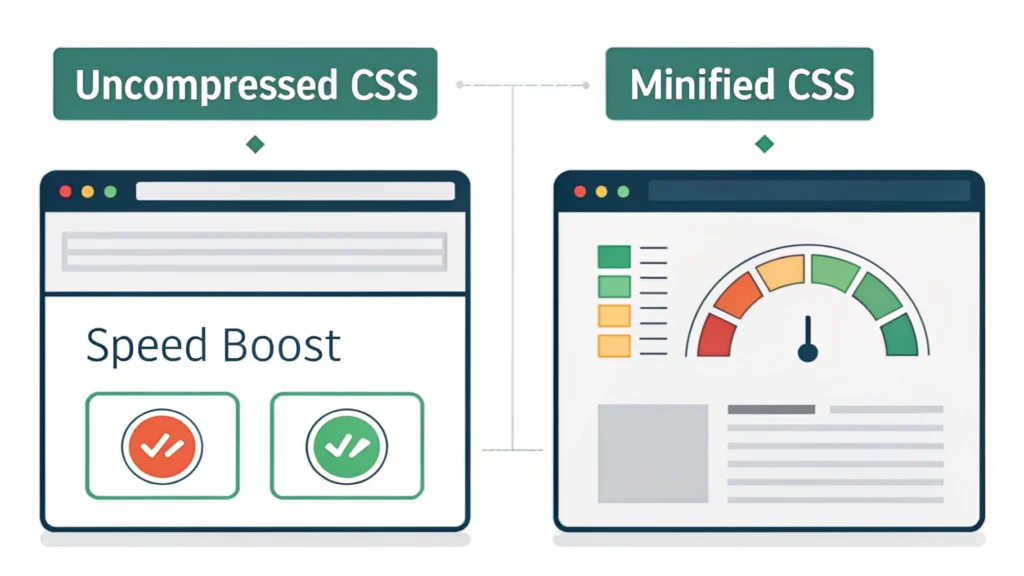
- CSS Minifier to reduce file sizes and improve load time.
- HTML Minifier for optimizing your HTML code.
- JS Minifier to enhance your JavaScript files.
3. Choose a Framework
Frameworks can significantly speed up your development process. For front-end development, consider:
- React: A JavaScript library for building user interfaces.
- Vue.js: A progressive framework for building UIs.
For back-end development, you can explore:
- Node.js: A JavaScript runtime built on Chrome’s V8 engine.
- Django: A Python framework that promotes rapid development.
4. Build Projects
Put your skills to the test by building real projects. Start small with personal projects, and gradually take on more complex applications to enhance your portfolio.
5. Stay Updated
Web development is constantly evolving. Follow blogs, forums, and online communities to stay informed about the latest trends and technologies.
FAQs about Web Development
What programming languages are essential for web development?
The essential languages for web development include HTML, CSS, and JavaScript for front-end development, and languages like PHP, Python, or Ruby for back-end development.
How long does it take to become a web developer?
The time it takes to become a web developer varies. With dedicated study, you could gain foundational skills in 3 to 6 months, but mastering the field may take years of practice.
What tools are available for web developers?
Some popular tools include code editors (like Visual Studio Code), version control systems (like Git), and various online resources for testing and optimizing your code.
Conclusion
Web development is a multifaceted field that combines creativity with technical skills. By understanding its various components and following a structured approach to learning, you can embark on a successful web development career. Don’t forget to leverage tools from WebToolsLab to make your journey easier and more efficient!