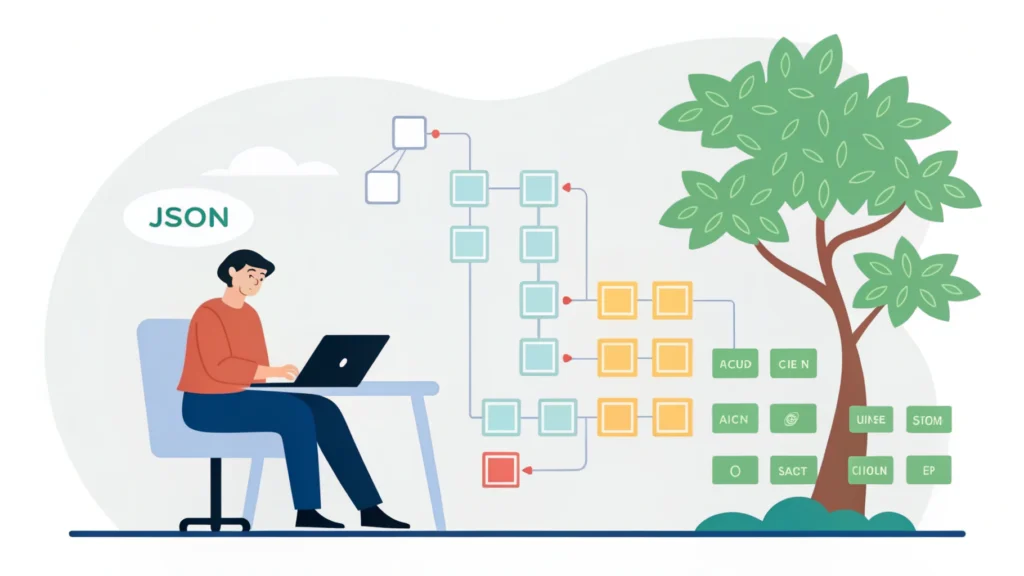
Introduction to Web App Development
Web app development is a process of creating application software that runs on web browsers. Unlike traditional software, web apps are accessible from any device with an internet connection, making them highly versatile and user-friendly. In this guide, we will explore the essential components of web app development, including planning, design, and coding.
Key Components of Web App Development
1. Planning Your Web Application
Before jumping into coding, it’s vital to plan your web app meticulously. Consider the following steps:
- Define Purpose: What problem does your app solve?
- Identify Target Audience: Who will use your app?
- Research Competitors: Analyze similar apps.
2. Choosing the Right Tech Stack
Your tech stack determines how your app will function. Common choices include:
- Front-end: HTML, CSS, JavaScript frameworks like React or Angular.
- Back-end: Node.js, Python (Django, Flask), Ruby on Rails.
- Database: MySQL, MongoDB, PostgreSQL.
3. Designing the User Interface
Creating an intuitive user interface (UI) is crucial for user experience (UX). Use tools like the Button Generator to design buttons that match your app’s aesthetics.
4. Development Phase
Now, let’s get into the coding part. Below is a simple example of a web app structure using HTML and JavaScript:
<!DOCTYPE html>
<html lang="en">
<head>
    <meta charset="UTF-8">
    <meta name="viewport" content="width=device-width, initial-scale=1.0">
    <title>My Web App</title>
    <link rel="stylesheet" href="styles.css">
</head>
<body>
    <h1>Welcome to My Web App</h1>
    <button id="myButton">Click Me!</button>
    <script src="script.js"></script>
</body>
</html>
5. Testing Your Web App
Testing is essential to ensure your web app functions correctly. Use automated testing tools and get feedback from real users to identify any issues.
6. Deployment
Once your web app is tested and ready, it’s time to deploy it. Consider using platforms like Heroku, AWS, or DigitalOcean for hosting.
7. Maintaining Your Web App
After deployment, ongoing maintenance is crucial. Regularly update your app and fix bugs. Utilize tools like CSS Minifier and JS Minifier to optimize your code.
FAQs About Web App Development
What programming languages are best for web app development?
The best languages depend on your tech stack, but HTML, CSS, and JavaScript are essential for front-end development. For back-end, consider Node.js, Python, or Ruby.
How long does it take to develop a web app?
The time varies based on the app’s complexity and features. A simple app may take a few weeks, while a more complex app can take several months.
What tools can help with SEO for my web app?
Using a Meta Tag Generator and following SEO best practices can significantly enhance your app’s visibility on search engines.
Conclusion
Web app development is a multifaceted process that requires careful planning, design, and execution. By following the steps outlined in this guide, you can create a functional and user-friendly web application. Don’t forget to leverage the right tools and resources, including those available on WebToolsLab, to streamline your development process.