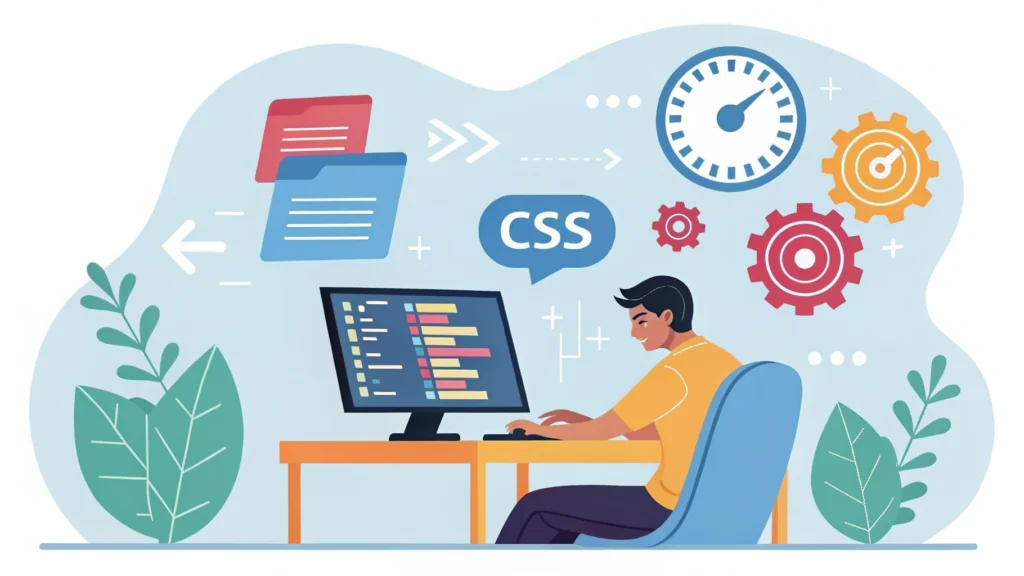
Introduction to Web App Development
Web app development is the process of creating applications that are accessed via web browsers. Unlike traditional desktop applications, web apps can be used across different devices and platforms, making them highly versatile and user-friendly. In this guide, we will cover the essential steps, tools, and best practices for successful web app development.
Step-by-Step Guide to Web App Development
Step 1: Define Your Project Requirements
Before you begin coding, it’s crucial to clearly define your project requirements. Consider the following:
- Target audience
- Core functionalities
- Design preferences
- Budget and timeline
Step 2: Choose the Right Technology Stack
Your technology stack will determine how your web app is built. Common choices include:
- Frontend: HTML, CSS, JavaScript frameworks (React, Angular, Vue.js)
- Backend: Node.js, PHP, Ruby on Rails, Django
- Database: MySQL, MongoDB, PostgreSQL
Step 3: Design Your Application
Wireframing and prototyping are essential in the design phase. Use tools like Figma or Adobe XD to create initial designs. Make sure to focus on a user-friendly interface.
Step 4: Development Process
Begin the coding process using your chosen technology stack. Here’s a simple example of a basic HTML structure:
<!DOCTYPE html>
<html lang="en">
<head>
    <meta charset="UTF-8">
    <meta name="viewport" content="width=device-width, initial-scale=1.0">
    <title>My Web App</title>
    <link rel="stylesheet" href="styles.css">
</head>
<body>
    <h1>Welcome to My Web App</h1>
</body>
</html>
Step 5: Implement Features and Functionality
Start adding the specific features that your web app requires. Utilize APIs, libraries, or frameworks to enhance functionality. For instance, if you’re building a form, consider using the Button Generator to create visually appealing buttons.
Step 6: Test Your Application
Testing is crucial to ensure your web app functions correctly. Conduct:
- Unit testing
- Integration testing
- User acceptance testing
Step 7: Optimize Performance
Performance optimization enhances user experience. Use tools like CSS Minifier and JS Minifier to reduce file sizes and improve load times.
Step 8: Deploy Your Web App
Once testing is complete, deploy your application to a web server. Popular choices include AWS, Heroku, and DigitalOcean.
Step 9: Monitor and Maintain
After deployment, continuously monitor your web app’s performance and security. Regular updates will ensure it remains functional and secure.
Frequently Asked Questions (FAQs)
What are the benefits of web app development?
Web apps offer accessibility from any device with internet access, easier updates, and lower development costs compared to native applications.
Which languages are commonly used in web app development?
HTML, CSS, and JavaScript are essential for frontend development; Node.js, PHP, and Ruby are popular for backend development.
How long does it take to develop a web app?
The timeline depends on the app’s complexity, but a simple web app can take a few weeks, while more complex applications may take several months.
Conclusion
Web app development is a multifaceted process that requires careful planning, design, and execution. By following the steps outlined in this guide, you can create an effective and user-friendly web application. Don’t forget to leverage tools from WebToolsLab to streamline your development process!