Introduction to Web Development and Design
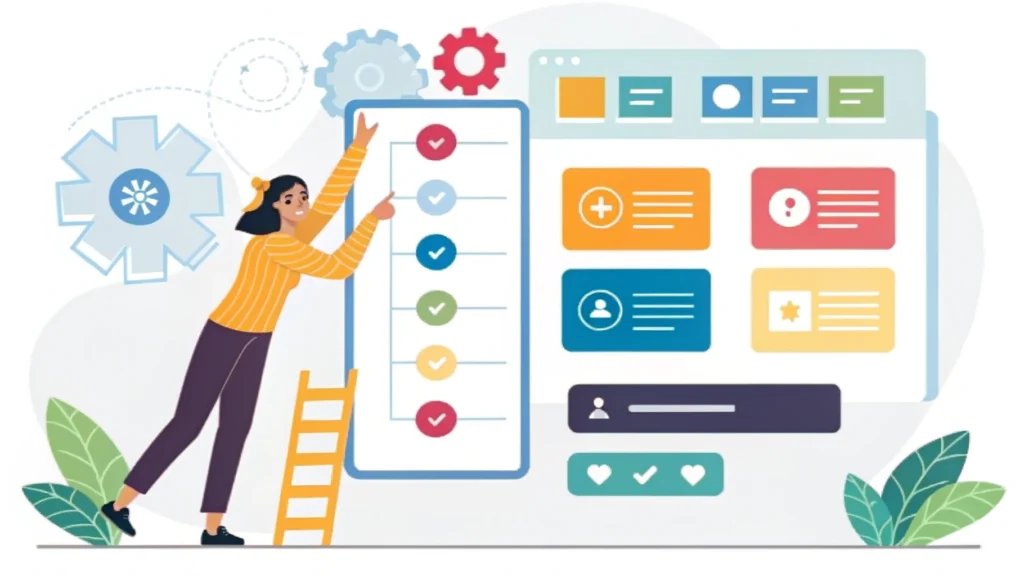
Web development and design are integral parts of creating a successful online presence. Whether you are a seasoned developer or a tech enthusiast, understanding the essentials can help you craft stunning websites that engage users. In this post, we will explore key techniques, tools, and best practices to elevate your web development and design skills.
Step-by-Step Guide to Web Development
1. Planning Your Website
The first step in web development is planning your website. This includes defining your goals, target audience, and the content structure. Consider using wireframes to visualize the layout.
2. Choosing the Right Technologies
Selecting the right technologies is crucial. Here’s a brief overview:
- HTML: The backbone of your website, structuring content.
- CSS: For styling and layout.
- JavaScript: For interactive elements.
3. Setting Up Your Development Environment
Choose a code editor like Visual Studio Code or Sublime Text. Set up your project folder and include essential files like index.html, style.css, and script.js.
4. Creating Your HTML Structure
Start with a basic HTML template:
<!DOCTYPE html>
<html lang="en">
<head>
    <meta charset="UTF-8">
    <meta name="viewport" content="width=device-width, initial-scale=1.0">
    <title>My Website</title>
</head>
<body>
    <header>
        <h1>Welcome to My Website</h1>
    </header>
    <main>
        <p>This is my first web page!</p>
    </main>
    <footer>
        <p>© 2023 My Website</p>
    </footer>
</body>
</html>
5. Styling with CSS
Next, add styles to your website using CSS. Consider using a CSS framework like Bootstrap for quicker development. Here’s a simple CSS snippet:
body {
    font-family: Arial, sans-serif;
    margin: 0;
    padding: 0;
}
h1 {
    color: #333;
}
6. Adding Interactivity with JavaScript
Enhance user experience by adding JavaScript. For example:
document.querySelector('h1').onclick = function() {
    alert('Hello, World!');
};
7. Testing and Debugging
Before launching, thoroughly test your website. Use tools like the CSS Minifier and JS Minifier to optimize your code.
8. Deployment
Choose a hosting provider to deploy your website. Options include GitHub Pages, Netlify, or traditional web hosts.
Web Design Best Practices
Responsive Design
Ensure your website is mobile-friendly. Use media queries to adjust layouts for different screen sizes.
@media (max-width: 600px) {
    body {
        background-color: lightblue;
    }
}
Consistent Navigation
Make navigation intuitive. A well-structured menu helps users explore your site easily.
Typography and Colors
Choose legible fonts and a cohesive color scheme to enhance user experience.
Image Optimization
Optimize images for faster loading times. Use tools like the HTML Minifier to reduce file sizes.
Frequently Asked Questions
What is the difference between web development and web design?
Web development focuses on coding and functionality, whereas web design emphasizes aesthetics and user experience.
How can I improve my web development skills?
Practice regularly, build personal projects, and explore online resources and tutorials.
What tools can help streamline my workflow?
Explore tools like WebToolsLab (All Tools) for various utilities, such as the Button Generator and JSON Formatter.
Conclusion
Mastering web development and design requires continuous learning and practice. By following this guide and utilizing the right tools, you can create engaging and functional websites. Start your journey today and explore the resources available at WebToolsLab to enhance your skills further!