Introduction
In today’s digital age, having a robust online presence is essential for businesses and individuals alike. Web development services play a crucial role in creating and maintaining a website that not only looks good but also functions effectively. This article explores the various web development services available, their importance, and how to leverage them for your online success.
What Are Web Development Services?
Web development services encompass a range of tasks and skills involved in the creation and maintenance of websites. This includes:
- Front-end development
- Back-end development
- Website design
- Website maintenance
- Search engine optimization (SEO)
1. Front-End Development
Front-end development focuses on the visual aspects of a website, ensuring that users have an engaging and interactive experience. Key technologies include:
- HTML
- CSS
- JavaScript
To optimize your front-end code, you can use tools like the CSS Minifier and JS Minifier to reduce file sizes and improve loading times.
2. Back-End Development
Back-end development involves the server-side of applications, handling data storage, server logic, and application integration. Common programming languages for back-end development include:
- Python
- PHP
- Ruby
- Node.js
Back-end developers create APIs to connect the front-end interface with the server. Properly structured APIs enhance website functionality and performance.
3. Website Design
Website design involves creating the layout, visual appearance, and user experience of a website. A well-designed website is crucial for effective user engagement. Tools like the Button Generator can help in crafting visually appealing buttons that enhance user interaction.
Step-by-Step Guide to Web Development Services
Step 1: Define Your Goals
Before diving into web development, it’s essential to outline your objectives. Consider the following:
- What is the primary purpose of your website?
- Who is your target audience?
- What functionalities do you need?
Step 2: Choose the Right Development Tools
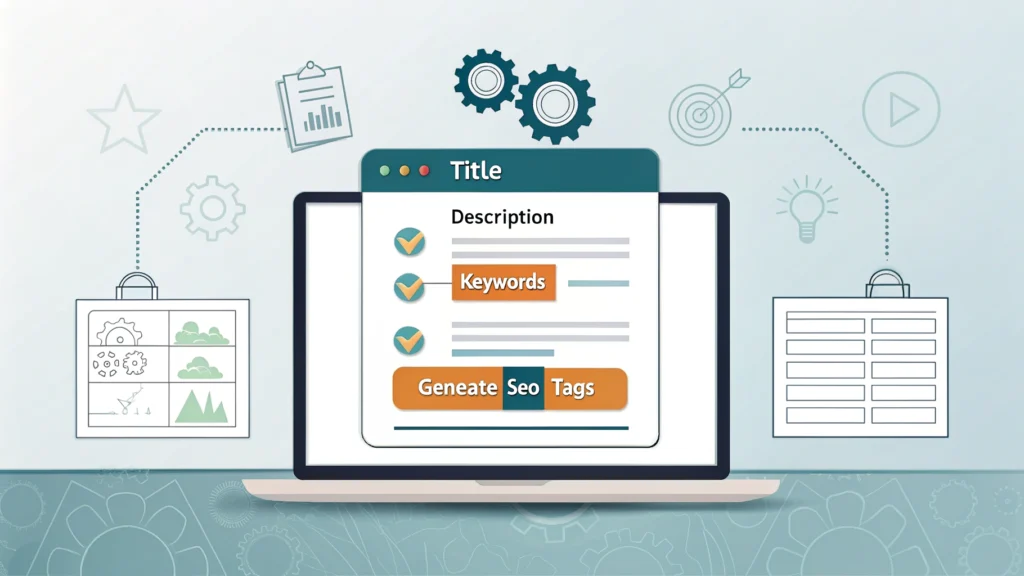
Select appropriate tools and technologies based on your goals. For instance, if you’re focusing on SEO, consider using the Meta Tag Generator to create optimized metadata for your pages.
Step 3: Develop a Prototype
Creating a prototype helps visualize the final product. You can use wireframing tools or mockup software to design the layout and user interface.
Step 4: Implement Front-End and Back-End Development
Begin coding the front-end and back-end components. Utilize frameworks such as React or Angular for front-end and Express or Django for back-end development.
Step 5: Testing and Quality Assurance
Thoroughly test your website to identify and fix any bugs. Pay attention to:
- Cross-browser compatibility
- Mobile responsiveness
- Loading speed
Step 6: Launch Your Website
Once testing is complete, it’s time to launch your website. Ensure that you have a solid hosting solution in place to handle traffic effectively.
Step 7: Continuous Maintenance and Updates
Regular maintenance is crucial to keep your website running smoothly. Update content, plugins, and security measures to ensure the best performance.
FAQs
What services are included in web development?
Web development services typically include front-end development, back-end development, website design, SEO, and ongoing maintenance.
How long does it take to develop a website?
The timeframe for website development varies based on complexity, ranging from a few weeks to several months.
Can I optimize my website for SEO?
Yes! There are many SEO strategies, including keyword optimization, metadata creation, and utilizing tools for performance enhancement.
Conclusion
Web development services are integral to establishing a successful online presence. By understanding the various aspects of web development, you can create a website that meets your goals and offers an exceptional user experience. Utilize tools from WebToolsLab to enhance your development process, streamline tasks, and optimize your website for better performance.