Introduction
In the fast-evolving world of web development, adhering to best practices is crucial for creating efficient, maintainable, and user-friendly websites. Whether you’re a seasoned developer or just starting, understanding these principles can significantly enhance your projects. This article will cover essential web development best practices, including performance optimization, SEO, and user experience considerations.
1. Optimize Performance
Performance is key in web development. Slow-loading websites can lead to high bounce rates and a poor user experience. Here are some steps to optimize your website’s performance:
- Minify CSS, JavaScript, and HTML: Reducing file sizes by removing unnecessary whitespace and comments can significantly improve load times. Use tools like CSS Minifier, JS Minifier, and HTML Minifier to achieve this efficiently.
- Use Caching: Implement browser caching to store static files on users’ devices, reducing server load and improving site speed.
- Optimize Images: Compress images to reduce their file size without sacrificing quality. Tools like WebToolsLab can help you find the right image formats and sizes.
- Leverage Content Delivery Networks (CDNs): Use CDNs to distribute your content across various geographical locations, ensuring faster access for users.
2. Ensure Mobile Responsiveness
With the increasing number of mobile users, ensuring your website is responsive is essential. Here’s how to create a mobile-friendly design:
- Use Fluid Grids: Instead of fixed-width layouts, use percentages for widths to allow your layout to adapt to different screen sizes.
- Implement Media Queries: Use CSS media queries to adjust styles based on device characteristics.
- Test Responsiveness: Utilize tools like the Responsive Simulator to see how your site performs on various devices.
3. Enhance User Experience (UX)
User experience plays a critical role in the success of a website. Consider the following elements to improve UX:
- Intuitive Navigation: Ensure your website is easy to navigate. Use clear labels and a logical structure.
- Accessible Content: Make your website accessible to all users, including those with disabilities. Use proper semantic HTML and ARIA roles.
- Fast Load Times: As mentioned earlier, performance affects user experience. Aim for load times under three seconds.
4. SEO Best Practices
Search engine optimization is essential for driving traffic to your website. Here are some best practices:
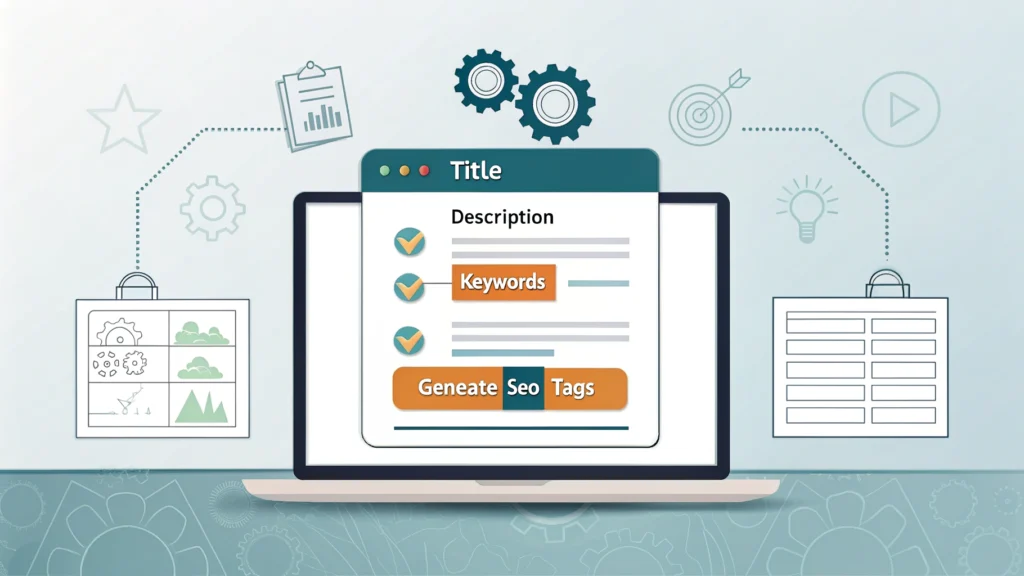
- Use Descriptive Meta Tags: Create unique and descriptive meta titles and descriptions. Tools like Meta Tag Generator can assist you in generating these tags easily.
- Optimize URL Structures: Use clean, readable URLs that include relevant keywords.
- Utilize Header Tags: Use H1, H2, and H3 tags appropriately to structure your content and make it easier for search engines to understand.
- Implement Schema Markup: Use schema markup to help search engines understand your content better and improve your visibility in search results.
5. Code Quality and Maintenance
Writing clean, maintainable code is vital for long-term project success. Follow these guidelines:
- Comment Your Code: Use comments to explain complex logic, making it easier for others (or yourself) to understand later.
- Use Version Control: Implement version control systems like Git to track changes and collaborate with other developers effectively.
- Regularly Refactor Code: Periodically review and improve your code to enhance readability and performance.
FAQs
What are web development best practices?
Web development best practices are guidelines and strategies that enhance the performance, usability, and SEO of websites, ensuring a better user experience.
Why is performance optimization important?
Performance optimization is crucial because it directly affects user experience, search engine rankings, and overall site engagement.
How can I ensure my website is mobile-friendly?
To ensure your website is mobile-friendly, implement responsive design techniques, test on various devices, and use fluid grid layouts.
Conclusion
By adhering to these web development best practices, you can create high-performing, user-friendly, and SEO-optimized websites. Regularly review and update your knowledge and skills to stay ahead in this fast-paced industry. For more tools and resources, check out WebToolsLab for everything from minifiers to formatters that can aid in your development process.