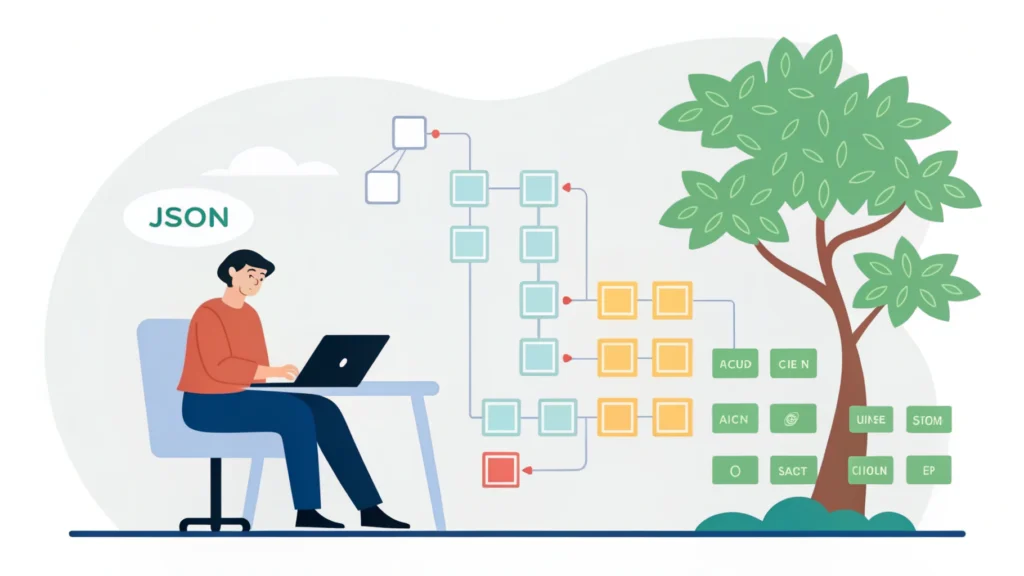
Introduction to Web Application Development
Web application development is a crucial aspect of modern software engineering, allowing developers to create interactive and dynamic applications that run on web browsers. With the increasing demand for web-based solutions, understanding the fundamentals of web application development is essential for developers and tech enthusiasts.
Key Components of Web Application Development
Before diving into the development process, it’s important to understand the key components that make up a web application:
- Frontend: The part of the application that users interact with directly, typically built using HTML, CSS, and JavaScript.
- Backend: The server-side logic that processes requests and manages data, often built with languages like Node.js, Python, or Ruby.
- Database: Stores and retrieves data for the web application, commonly using systems like MySQL, PostgreSQL, or MongoDB.
- APIs: Interfaces that allow different software components to communicate with each other.
Step-by-Step Guide to Web Application Development
Step 1: Planning and Research
Start by defining the purpose and target audience of your web application. Research similar applications to identify features and functionality that resonate with users.
Step 2: Choose the Right Tech Stack
Select the appropriate technologies for your project. Consider frontend frameworks like React, Angular, or Vue.js, and backend frameworks like Express.js or Django. Here’s a suggested tech stack:
- Frontend: React.js
- Backend: Node.js with Express
- Database: MongoDB
Step 3: Design the User Interface
Design your application’s UI using wireframes and mockups. Tools like Figma or Adobe XD can help visualize the layout and user experience.
Step 4: Development
Start coding your application. Here’s a simple example of a Node.js server setup:
const express = require('express');
const app = express();
const PORT = process.env.PORT || 3000;

app.get('/', (req, res) => {
  res.send('Hello, World!');
});

app.listen(PORT, () => {
  console.log(`Server running on port ${PORT}`);
});
Step 5: Testing
Conduct thorough testing to identify and fix bugs. Utilize tools like Selenium or Jest for automated testing. Performance and security testing are also critical.
Step 6: Deployment
Choose a hosting service to deploy your application. Services like Heroku or DigitalOcean provide easy deployment options. Ensure your application is optimized for performance and scalability.
Step 7: Maintenance and Updates
Regularly update your application to fix bugs, improve security, and add new features based on user feedback.
Tools to Enhance Your Development Process
Leveraging the right development tools can significantly enhance your workflow:
- CSS Minifier – Optimize your CSS files for better performance.
- JS Minifier – Reduce JavaScript file sizes to improve load times.
- JSON Formatter – Easily format and visualize JSON data.
- Button Generator – Quickly create stylish buttons for your app.
FAQs on Web Application Development
What languages are used in web application development?
Common languages include HTML, CSS, JavaScript for frontend development, and languages like Python, PHP, or Node.js for backend development.
How long does it take to develop a web application?
The time required varies based on complexity, features, and team size, ranging from a few weeks to several months.
What is the difference between web applications and websites?
Web applications are interactive and perform complex tasks, while websites primarily serve static content.
Conclusion
Web application development is an exciting field that combines creativity and technical skills. By following the outlined steps and utilizing effective tools, developers can create robust web applications that meet user needs. For more tools and resources, visit WebToolsLab.