Introduction
In the fast-paced world of web development, keeping up with best practices is essential for creating efficient, user-friendly websites. This guide outlines key best practices for 2023, focusing on performance optimization, SEO, and enhancing user experience.
1. Optimize Performance
Performance is critical for retaining users and improving search engine rankings. Here are steps to optimize your website’s performance:
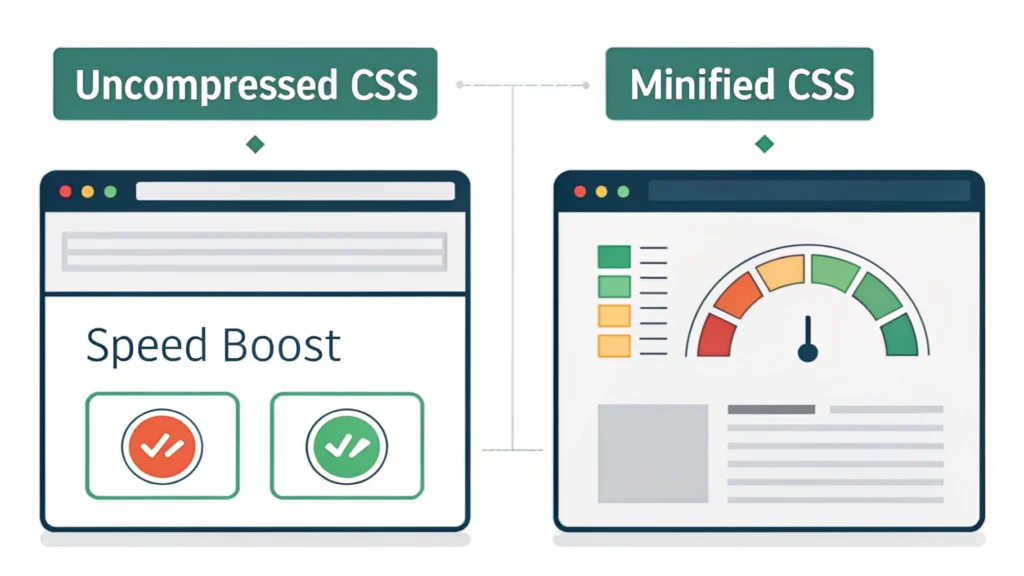
- Minify CSS, JavaScript, and HTML: Reducing file sizes improves load times. Tools like CSS Minifier, JS Minifier, and HTML Minifier can help you automate this process.
- Use a Content Delivery Network (CDN): CDNs distribute content globally, reducing latency.
- Optimize Images: Use formats like WebP and compress images to reduce load times.
- Implement Lazy Loading: Load images and videos only when they are in the viewport.
2. Enhance SEO
Search engine optimization is crucial for visibility. Follow these best practices to improve your site’s SEO:
- Use Descriptive Meta Tags: Generate optimized meta titles and descriptions using tools like Meta Tag Generator.
- Implement Schema Markup: Add structured data to help search engines understand your content better.
- Create Quality Content: Ensure your content is relevant, informative, and engaging.
- Optimize URL Structure: Use clean, descriptive URLs that include keywords.
3. Prioritize User Experience (UX)
A great user experience leads to higher engagement and conversions. Consider the following:
- Responsive Design: Ensure your website is mobile-friendly. Use tools like Responsive Simulator to test your site’s responsiveness.
- Improve Navigation: Make your website easy to navigate with clear menus and a logical structure.
- Use Readable Fonts: Choose legible fonts and maintain a good contrast ratio for readability.
- Provide Feedback: Implement features like loading indicators and confirmation messages to keep users informed.
4. Keep Your Code Clean and Maintainable
Writing clean and maintainable code is vital for long-term project success. Here are some guidelines:
- Comment Your Code: Use comments to explain complex sections of your code.
- Use Version Control: Tools like Git can help track changes and collaborate with others.
- Follow Coding Standards: Stick to established coding standards and styles to maintain consistency.
5. Regularly Test and Update
Regular testing and updates ensure your website remains functional and secure:
- Perform Browser Testing: Ensure compatibility across different browsers.
- Use Automated Testing Tools: Implement tools to test your website’s performance and functionality.
- Stay Updated: Regularly update frameworks, libraries, and plugins to avoid security vulnerabilities.
FAQs
What is the most important aspect of web development?
Performance optimization is crucial as it affects user retention and SEO. A slow website can lead to high bounce rates.
How can I improve my website’s SEO?
Focus on creating high-quality content, optimizing meta tags, and using schema markup. Regularly update your content to keep it relevant.
What tools can help with web development?
Several tools can aid in web development, including WebToolsLab for various utilities, and minifiers for CSS, JS, and HTML.
Conclusion
By adhering to these web development best practices, you can create a website that is not only efficient and user-friendly but also optimized for search engines. Remember to continually test, update, and refine your approach as technology evolves. For more tools to enhance your web development process, check out WebToolsLab (All Tools).