Introduction
With the web evolving at lightning speed, creating memorable web experiences is more important than ever. A modern CSS toolkit can help developers design interfaces that are not only functional but also visually appealing. In this blog post, we will explore essential tools and techniques to elevate your web projects.
What is a CSS Toolkit?
A CSS toolkit is a collection of pre-written CSS classes, frameworks, and utilities that assist developers in styling their web applications efficiently. These toolkits can save time, ensure consistency, and enhance the overall user experience.
Step-by-Step Guide to Creating Memorable Web Experiences
Step 1: Choose Your Framework
Select a CSS framework that aligns with your project goals. Popular options include Bootstrap, Tailwind CSS, and Foundation. Each framework offers unique features and components ready to use.
Step 2: Utilize CSS Variables
CSS variables (also known as custom properties) allow you to store values in a single place and reuse them throughout your stylesheet. This promotes maintainability and scalability. Here’s an example:
:root {
  --primary-color: #3498db;
  --secondary-color: #2ecc71;
}

body {
  background-color: var(--primary-color);
}
Step 3: Implement Flexbox and Grid
Flexbox and CSS Grid are powerful layout systems that make it easier to create responsive designs. By using these, you can ensure your web experience is adaptable to all screen sizes. Here’s a simple Flexbox example:
.container {
  display: flex;
  justify-content: space-around;
}

.item {
  flex: 1;
  margin: 10px;
}
Step 4: Optimize for Performance
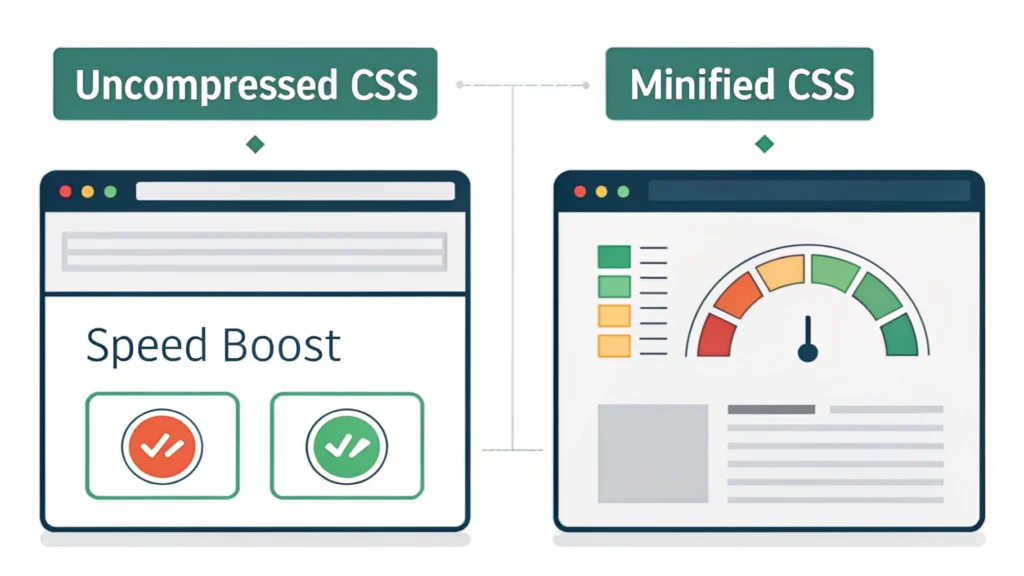
Performance is key in web design. Utilize tools like the CSS Minifier to reduce file sizes and improve load time. You can also use the HTML Minifier for your HTML files and the JS Minifier for JavaScript files.
Step 5: Create Interactive Elements
Buttons and forms are vital for user engagement. Use tools like the Button Generator to design attractive buttons quickly. Customize styles, shapes, and hover effects to make them stand out.
Step 6: Keep Accessibility in Mind
Web accessibility ensures that all users, including those with disabilities, can access your content. Follow best practices such as using semantic HTML, providing text alternatives for images, and ensuring sufficient color contrast.
FAQs
What are some popular CSS frameworks?
Some of the most popular CSS frameworks include Bootstrap, Tailwind CSS, and Foundation. Each has its strengths and is suited for different types of projects.
How can I improve my website’s performance?
To enhance performance, consider minifying your CSS, HTML, and JavaScript files. Utilize tools like the CSS Minifier, HTML Minifier, and JS Minifier to help reduce file sizes.
Why is responsive design important?
Responsive design ensures your website looks good on all devices, from desktops to mobile phones. This improves user experience and can positively impact SEO.
Conclusion
Creating memorable web experiences requires a combination of design, functionality, and performance. By utilizing a modern CSS toolkit, you can streamline your workflow, enhance user engagement, and create stunning web applications. Start integrating these techniques and tools into your projects today!