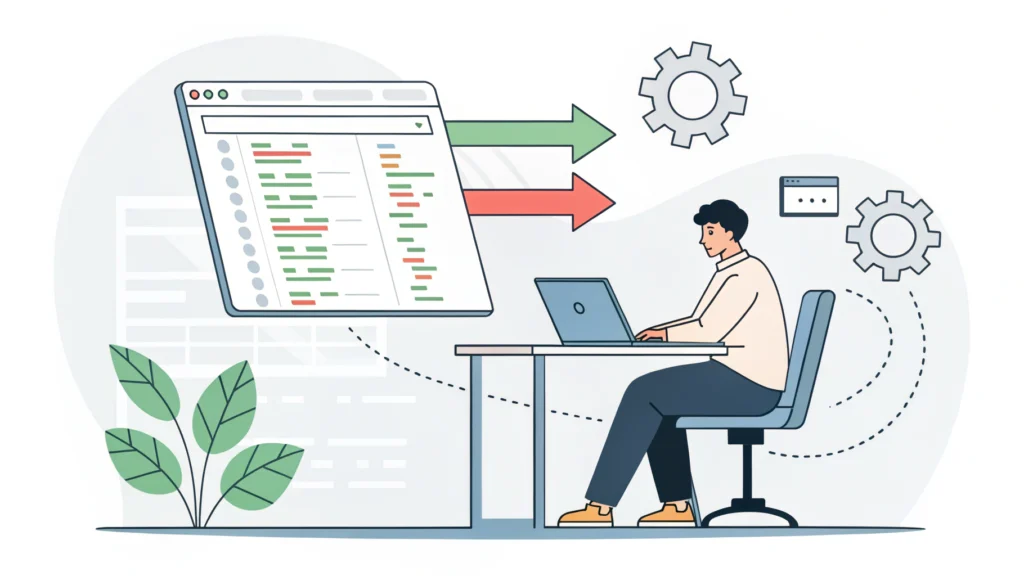
Introduction to Web Development
Web development is the process of creating websites and web applications that run on the internet. It encompasses various aspects, including web design, web programming, and database management. This guide will explore the different facets of web development, its types, and how you can kickstart your journey as a developer.
Types of Web Development
1. Frontend Development
Frontend development involves creating the visual elements of a website that users interact with directly. It includes the design, layout, and interactivity of a website.
- Languages Used: HTML, CSS, JavaScript
- Frameworks: React, Angular, Vue.js
2. Backend Development
Backend development is focused on the server side of a website. It involves databases, server logic, and application programming interfaces (APIs) that communicate between the frontend and backend.
- Languages Used: PHP, Ruby, Python, Java, Node.js
- Frameworks: Express.js, Django, Ruby on Rails
3. Full-Stack Development
Full-stack development combines both frontend and backend skills, enabling developers to work on all aspects of a web application.
- Skills Required: Proficiency in both frontend and backend languages, understanding databases
Getting Started with Web Development
To start your web development journey, follow these steps:
- Learn the Basics: Familiarize yourself with HTML, CSS, and JavaScript. These are the foundational languages of web development.
- Practice Coding: Build simple projects to apply your knowledge. Use tools like the Button Generator to create UI components easily.
- Explore Frameworks: Once comfortable with the basics, explore popular frameworks like React for frontend or Express.js for backend.
- Utilize Web Development Tools: Use tools to enhance your development process. For example, minifying your code can improve performance. Check out the CSS Minifier, HTML Minifier, and JS Minifier.
- Build Projects: Start building real-world projects to solidify your skills. Consider contributing to open-source projects or creating your own portfolio website.
- Stay Updated: The web development landscape is constantly evolving. Follow blogs, subscribe to newsletters, and join communities to stay informed.
Code Example: Creating a Simple Web Page
Here’s a basic example of a simple web page using HTML and CSS:
<!DOCTYPE html>
<html lang="en">
<head>
    <meta charset="UTF-8">
    <meta name="viewport" content="width=device-width, initial-scale=1.0">
    <title>My First Web Page</title>
    <link rel="stylesheet" href="styles.css">
</head>
<body>
    <header>
        <h1>Welcome to My Web Page</h1>
    </header>
    <main>
        <p>This is a simple web page example.</p>
    </main>
    <footer>
        <p>© 2023 My Web Development Journey</p>
    </footer>
</body>
</html>
FAQs About Web Development
What skills do I need to become a web developer?
Basic knowledge of HTML, CSS, and JavaScript is essential. Familiarity with version control systems like Git, and understanding of responsive design principles can also be beneficial.
How long does it take to learn web development?
The time it takes to learn web development varies based on your prior knowledge and dedication. Generally, you can gain a solid foundation in 3-6 months with consistent practice.
What are the best resources to learn web development?
There are numerous online platforms like freeCodeCamp, Codecademy, and MDN Web Docs that offer comprehensive tutorials and courses.
Conclusion
Web development is an exciting field that combines creativity and technical skills. By understanding the different types of web development and following the steps outlined in this guide, you can begin your journey to becoming a proficient web developer. Remember to utilize tools like WebToolsLab for various development tasks and keep practicing to hone your skills.